
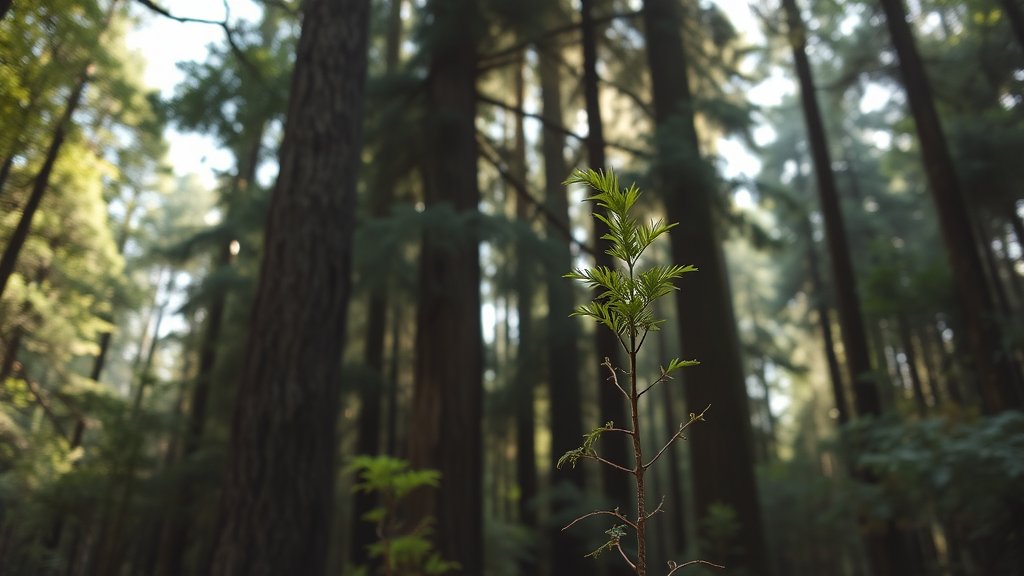
Reforestation is more than just planting trees. It’s a movement, a commitment to restoring our planet’s lungs. With the world facing unprecedented environmental challenges, several foundations and organizations are stepping up, driving reforestation foundation efforts on a massive scale. These initiatives not only aim to combat climate change but also strive to bring back biodiversity and rejuvenate ecosystems.
Many of these foundations are driven by a deep-seated passion for nature and a vision for a greener future. They employ innovative techniques and collaborate with local communities to ensure the sustainability of their projects. The impact of their work is felt worldwide, from the dense forests of South America to the arid lands of Africa.
But what makes these foundations successful? It’s their unwavering dedication, combined with cutting-edge technology and a profound understanding of ecological systems. They are not just planting trees; they are cultivating hope for future generations.
Changing landscapes with tree planting
The transformation brought about by reforestation projects is nothing short of miraculous. Imagine barren lands turning into lush forests, teeming with life and vibrant green canopies. This isn’t just about aesthetics; it’s about restoring balance to ecosystems that have been disrupted by deforestation and human activities.
Tree planting initiatives play a crucial role in this transformation. By strategically planting native species, these projects help rebuild habitats for wildlife, improve soil quality, and even regulate water cycles. The benefits are manifold and far-reaching, impacting not just the environment but also local communities who rely on these ecosystems for their livelihoods.
Every tree planted is a step towards mitigating climate change. Trees absorb carbon dioxide, one of the primary greenhouse gases contributing to global warming. As they grow, they store carbon in their biomass, effectively acting as carbon sinks. This natural process is essential in our fight against climate change, making reforestation a key strategy in global environmental efforts.
Empowering communities through green initiatives
Reforestation isn’t just about the environment; it’s also about people. Many reforestation projects work closely with local communities, providing them with the tools, knowledge, and resources needed to plant and care for trees. This collaboration not only ensures the success of the projects but also empowers communities by creating jobs and fostering a sense of ownership over their natural resources.
In many parts of the world, communities depend on forests for their survival. From providing food and medicine to offering protection against natural disasters, forests play a vital role in sustaining livelihoods. Reforestation projects help restore these essential resources, improving the quality of life for countless individuals.
Moreover, involving local communities in reforestation efforts fosters environmental stewardship. When people see the direct benefits of their efforts – from increased crop yields to improved air quality – they become more committed to protecting and nurturing their environment. This grassroots involvement is crucial for the long-term success and sustainability of reforestation initiatives.
Innovative methods for sustainable forests
Innovation is at the heart of modern reforestation efforts. Gone are the days of simply scattering seeds and hoping for the best. Today’s projects leverage advanced technologies and scientific research to maximize their impact and ensure the sustainability of newly planted forests.
Drones, for instance, are being used to plant trees in hard-to-reach areas. These high-tech tools can cover large swathes of land quickly and efficiently, significantly speeding up the reforestation process. Additionally, satellite imagery and geographic information systems (GIS) help monitor forest health and growth patterns over time, allowing for data-driven decision-making.
Another exciting development is the use of biodegradable seed pods. These pods protect young seedlings from harsh conditions and provide essential nutrients as they decompose. This innovative approach increases seedling survival rates and ensures that young trees have the best possible start in life.
Challenges faced and inspiring success stories
Reforestation is not without its challenges. From dealing with harsh climates to navigating political obstacles, those involved in these projects often face significant hurdles. However, it is through overcoming these challenges that some of the most inspiring success stories emerge.
Take Land Life’s work in restoring post-wildfire landscapes in Colorado, for example. After devastating fires ravaged the area, Land Life stepped in with targeted reforestation efforts aimed at rebuilding resilient ecosystems. Their approach not only focused on planting trees but also on restoring soil health and preventing future wildfires through strategic planning.
Similarly, in Victoria, Australia, Land Life has been creating wildlife corridors to connect fragmented habitats. This initiative not only helps preserve biodiversity but also prepares these areas for future climate scenarios by building robust ecosystems capable of adapting to change.
These stories serve as powerful reminders of what can be achieved when innovation meets dedication. Despite the challenges, these reforestation efforts continue to make a tangible difference, bringing hope and healing to our planet’s most vulnerable landscapes.