
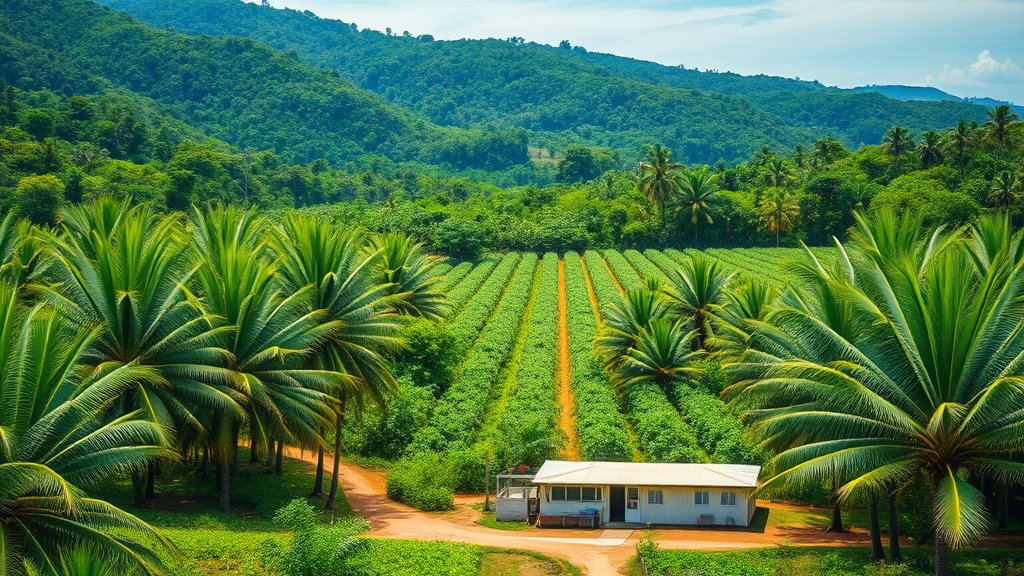
Sustainable palm oil is more than just a buzzword; it’s a crucial step towards preserving our planet. By understanding the benefits of sustainable palm oil, we gain insight into how it protects our forests and wildlife, boosts local economies, and improves community well-being. The SPOC initiative plays a vital role in spreading awareness and encouraging responsible consumption.
Protecting our forests and wildlife
Deforestation is a massive issue when it comes to conventional palm oil production. Imagine vast stretches of lush, green forests being cleared out for plantations. It’s not just trees that are lost; entire ecosystems get disrupted. The orangutans, tigers, elephants – they all lose their homes. And let’s be real, we don’t want to be the generation that has to explain to our grandkids why these magnificent creatures only exist in history books.
Sustainable palm oil production prioritizes zero deforestation. This means that no new forests are cut down to make way for palm plantations. Instead, existing agricultural lands are used more efficiently. It’s like giving nature a breather while still meeting our needs. Plus, it creates healthier environments for other species to thrive. Some plantations have even become unexpected sanctuaries for wildlife, providing habitats where animals can live safely.
So, next time you grab that chocolate bar or your favorite snack, think about the journey it took to get to you. Chances are, if it contains sustainably sourced palm oil, it’s contributing to keeping our forests intact and our wildlife safe.
Boosting local economies
Now, let’s talk about the economic side of things. Palm oil is a major source of income for millions of smallholder farmers across the globe. In regions like Indonesia and Malaysia, entire communities depend on palm oil cultivation for their livelihood. When done sustainably, it’s a win-win situation.
Sustainable practices often lead to better yields and higher quality crops. This means farmers can earn more from the same piece of land without causing additional harm to the environment. It’s not just about making money; it’s about making money in a way that doesn’t destroy the very resources they depend on.
Moreover, there are certification schemes like the Roundtable on Sustainable Palm Oil (RSPO) that ensure fair wages and decent working conditions for workers in the industry. It’s about creating an economic model that values people as much as profit. So when businesses commit to sustainable palm oil, they’re not just protecting the environment; they’re supporting families and communities too.
Improving community well-being
Beyond the economic benefits, sustainable palm oil production also has significant social impacts. Picture this: a community where land rights are respected, workers’ rights are protected, and everyone has access to better living conditions. That’s what sustainable practices aim to achieve.
Facts about palm oil initiatives often include programs for community development. This might involve building schools, healthcare facilities, or providing training in sustainable farming techniques. It’s about empowering people with the tools they need to improve their own lives.
Also, by reducing environmental degradation, communities face fewer health risks related to poor air quality or contaminated water sources. Basically, when we talk about sustainable palm oil, we’re not just talking about a product; we’re talking about creating healthier, more resilient communities.
How the spoc initiative spreads awareness
The Sustainable Palm Oil Choice (SPOC) initiative plays a crucial role in educating consumers and businesses about the importance of choosing sustainably produced palm oil. It’s all about spreading the word and making sure people understand the impact of their choices.
SPOC works by providing clear information and resources on how to identify sustainably sourced products. They offer guidance for consumers who want to make responsible choices and support brands that commit to sustainable practices. It’s like having a friendly guide helping you navigate through the complexities of ethical consumption.
Furthermore, SPOC collaborates with policymakers, NGOs, and businesses to promote industry-wide changes. They advocate for transparency in supply chains and push for stricter regulations to ensure sustainability standards are met globally. By doing so, they help create a market where sustainable palm oil becomes the norm rather than the exception.
In conclusion, sustainable palm oil offers numerous benefits that go beyond just being an eco-friendly option. It protects our forests and wildlife, boosts local economies, improves community well-being, and fosters greater awareness through initiatives like SPOC. By supporting sustainably produced palm oil, we can contribute to a healthier planet and more prosperous communities.