
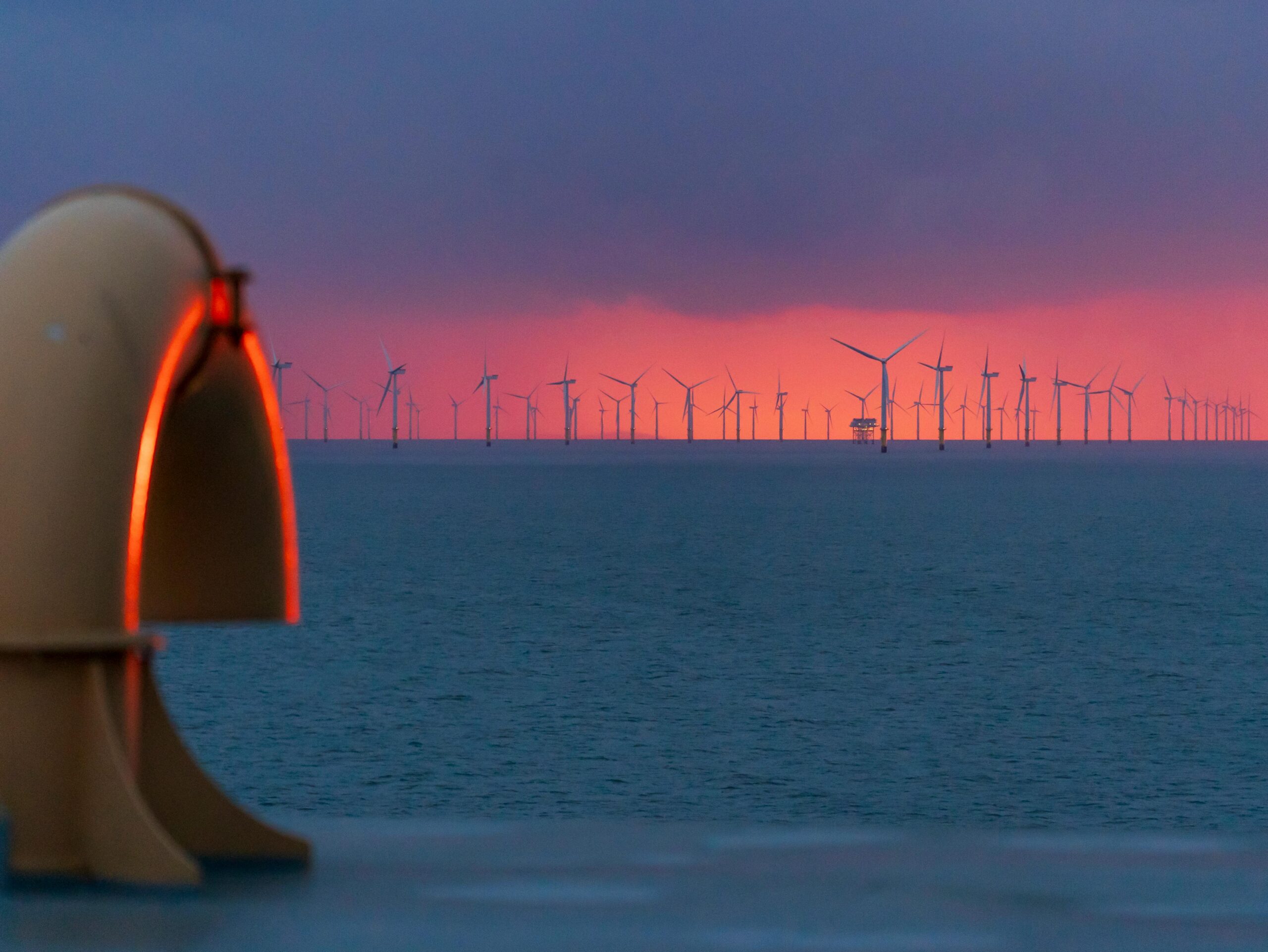
As the demand for clean energy rises, offshore wind turbines have become an essential part of the energy mix, especially in deep waters where traditional fixed-bottom turbines are not feasible. Floating offshore wind turbines, which rely on hollow, air-filled foundations attached to the seabed, allow the development of wind farms in areas up to 1000 meters deep. While these designs provide access to abundant wind resources, they also face unique challenges due to their constant exposure to harsh marine environments.
Corrosion threats to offshore structures
Metal structures in seawater are highly susceptible to corrosion, which can reduce their lifespan and increase maintenance costs. In particular, the exposed monopiles and support frames of floating turbines are vulnerable to both chemical and biological corrosion. Without proper protection, valuable offshore equipment may experience accelerated degradation, which can disrupt energy production and affect the overall reliability of the wind farm. Because floating offshore turbines are located far from shore, repairing or replacing corroded parts is both costly and time-consuming.
The role of impressed current anti fouling system
An impressed current anti fouling system provides an effective solution to the corrosion challenge by supplying a controlled electrical current to metal surfaces, which prevents oxidation and deterioration. Unlike traditional galvanic anode systems, this approach does not release metals into the surrounding water, making it an environmentally responsible choice. By maintaining the integrity of offshore wind turbine components, these systems reduce downtime and help ensure that turbines continue generating electricity efficiently. Incorporating an impressed current anti fouling system is especially important for floating platforms, which face constant wave and saltwater exposure.
Environmental and operational benefits
Protecting offshore turbines with an impressed current anti fouling system offers both environmental and operational advantages. Because the system minimizes metal loss into the ocean, it preserves marine ecosystems while reducing maintenance interventions. Additionally, the ability to monitor and adjust protection from land-based control centers ensures that turbines remain in optimal condition with minimal manual inspections. Over time, this approach contributes to the sustainability of offshore wind energy by lowering operational costs and extending the service life of expensive infrastructure.
Supporting the offshore industry
As offshore wind energy continues to expand, protecting turbines becomes a key factor in the industry’s growth. Floating wind farms in deep waters allow access to energy-rich sites that were previously unreachable, which increases the overall potential for renewable energy production. By implementing impressed current anti fouling systems, companies can safeguard their investments, maintain consistent power output, and support the reliability of the broader offshore supply chain. Consequently, corrosion protection is not only a technical requirement but also a strategic measure that strengthens the entire offshore sector.
Conclusion
Maintaining offshore wind turbines in a corrosive marine environment is critical for the long-term success of the offshore industry. While floating turbines unlock new possibilities for energy generation, they also demand advanced protection methods to remain operational. The use of impressed current anti fouling systems ensures that turbines withstand harsh conditions, reduce maintenance needs, and continue contributing to a sustainable energy future. By prioritizing corrosion protection, the offshore industry can achieve greater efficiency, reliability, and environmental responsibility.