
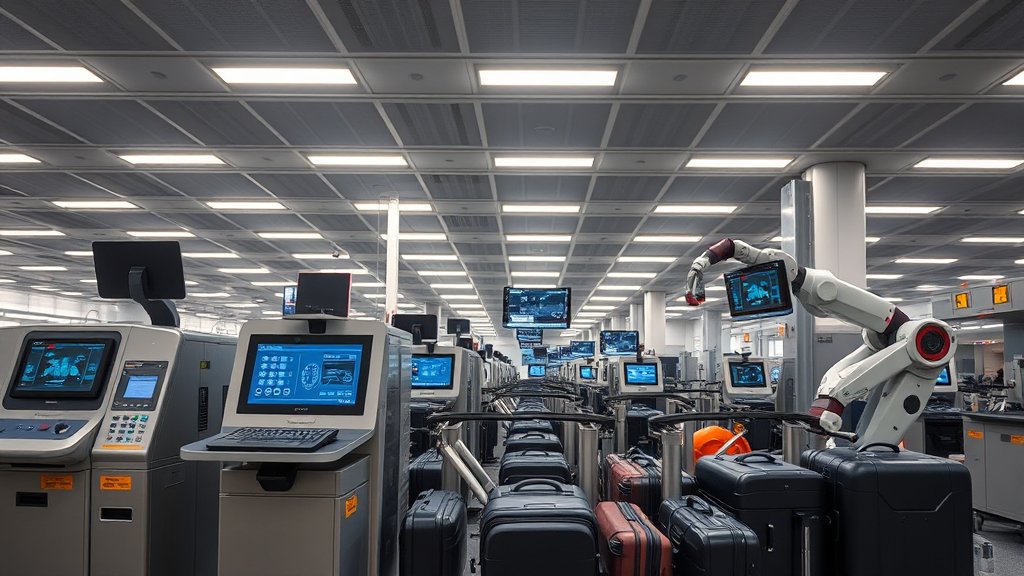
Air travel has always been a mix of excitement and anxiety. But with the advent of AI, the airport security experience is getting a much-needed makeover. From smarter screening processes to reducing wait times, AI is revolutionizing the way we navigate through airports.
It’s fascinating how technology evolves and integrates into our daily lives, isn’t it? AI isn’t just a buzzword anymore; it’s becoming the backbone of modern airport security. Imagine walking through an airport where every step you take is monitored by intelligent systems designed to keep you safe without even noticing them.
Smarter screening processes
Gone are the days when passengers had to endure long queues for manual inspections. AI-powered systems are making screening processes faster and more efficient. These systems use advanced algorithms to analyze data from airport security scanner, identifying potential threats with remarkable accuracy.
What’s even more impressive is how these smart systems reduce human error. Traditional methods relied heavily on the vigilance of security personnel, which, let’s be honest, can be taxing. AI takes over the repetitive tasks, allowing security staff to focus on more critical aspects of their job. Additionally, an ai inspection system offers enhanced capabilities to identify threats more efficiently, thereby making the entire process more secure and streamlined.
Have you ever wondered how AI manages to spot concealed items in luggage? It’s almost like magic! But no, it’s just brilliant technology at work. By integrating deep learning algorithms, AI systems can differentiate between harmless items and potential threats with a level of precision that’s simply mind-boggling.
Enhancing passenger experience
Reducing wait times
No one enjoys standing in line, especially not at airports. AI helps in speeding up the entire process by automating many of the checks that used to require human intervention. This means shorter wait times and a smoother journey from check-in to boarding.
Ever had that moment of panic when you’re running late for your flight? With AI in place, those stressful moments could become a thing of the past. These intelligent systems can predict passenger flow and adjust resources accordingly, ensuring that everything runs like a well-oiled machine.
Personalized travel assistance
AI isn’t just about security; it’s also about making your travel experience more pleasant. Imagine having personalized travel assistance at your fingertips – from real-time updates on gate changes to suggestions for dining options based on your preferences.
This level of personalization is made possible by analyzing vast amounts of data. AI systems can track your travel history, preferences, and even your social media activity (yes, it’s a bit creepy but also super convenient). The result? A travel experience that’s tailored just for you.
The role of facial recognition
Facial recognition technology is another game-changer in airport security. By scanning passengers’ faces, these systems can verify identities quickly and accurately. No more fumbling for passports or boarding passes – just a quick glance at a camera, and you’re good to go.
This technology isn’t just about convenience; it’s also about enhancing security. Facial recognition can help identify individuals on watchlists, preventing potential threats from boarding flights. It’s like having an extra layer of security that works silently in the background.
Of course, facial recognition isn’t without its controversies. Privacy concerns are valid, and there’s an ongoing debate about how this data should be used and stored. But when implemented responsibly, the benefits can far outweigh the drawbacks.
Challenges and ethical considerations
While AI brings numerous benefits to airport security, it’s not without challenges. One major concern is the potential for bias in AI algorithms. If not properly addressed, these biases could lead to unfair treatment of certain groups of passengers.
Then there’s the issue of data privacy. With so much personal data being collected and analyzed, ensuring that this information is protected becomes paramount. Striking the right balance between security and privacy is a delicate task that requires continuous effort and vigilance.
Lastly, there’s the question of job displacement. As AI takes over more tasks, what happens to the people who used to perform those jobs? It’s essential to find ways to integrate these technologies while also providing opportunities for reskilling and career transitions for affected workers.
The future of airport security looks promising with AI at its helm. As we navigate through these technological advancements, it’s crucial to keep ethical considerations in mind to ensure that progress benefits everyone involved.